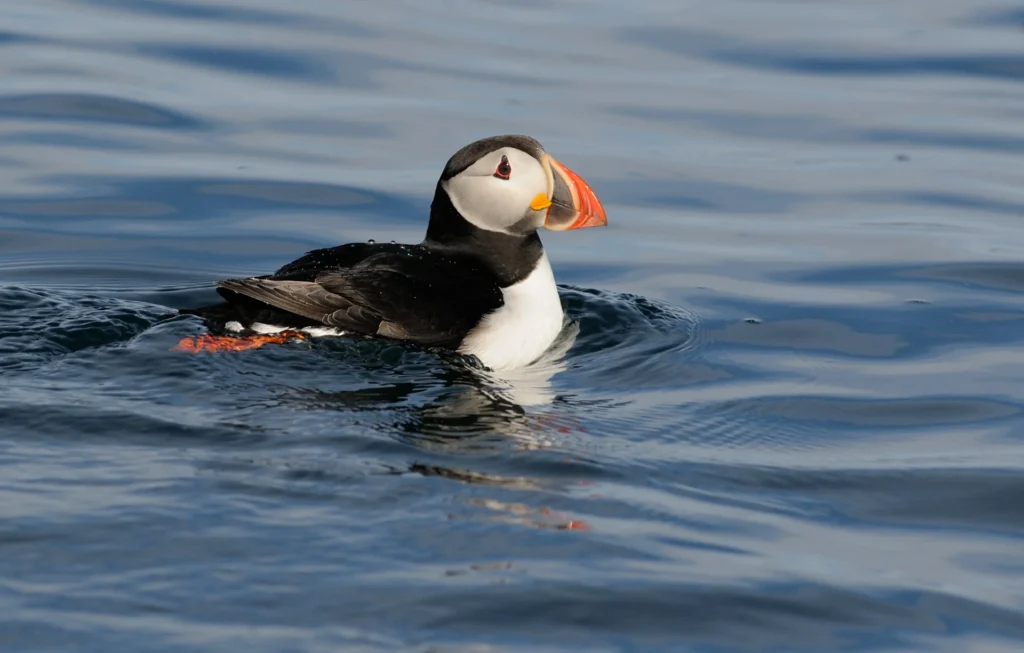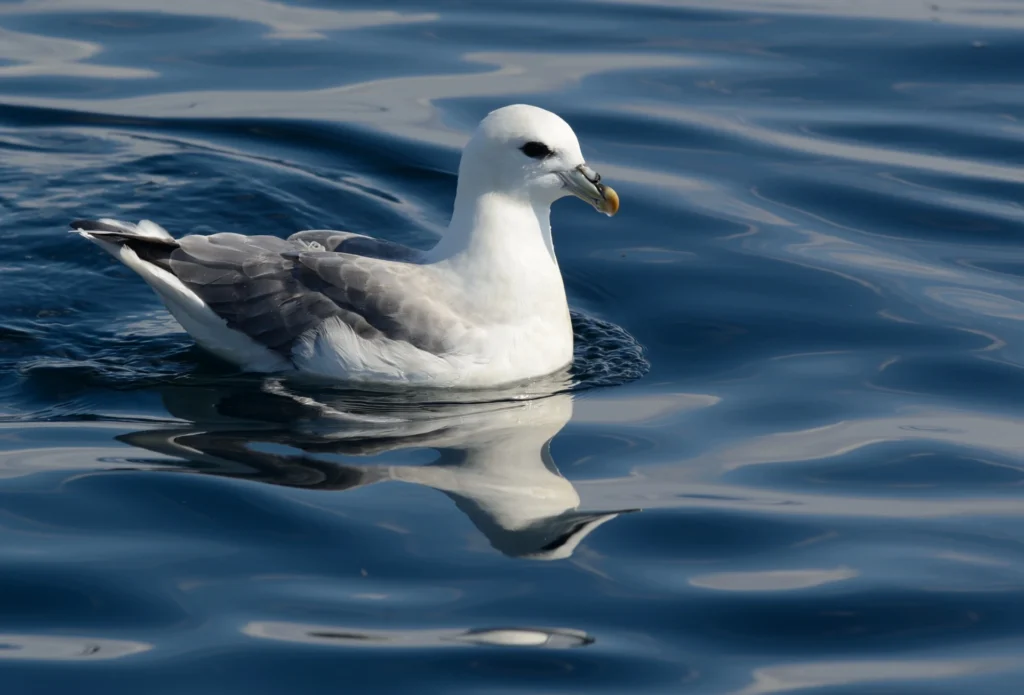

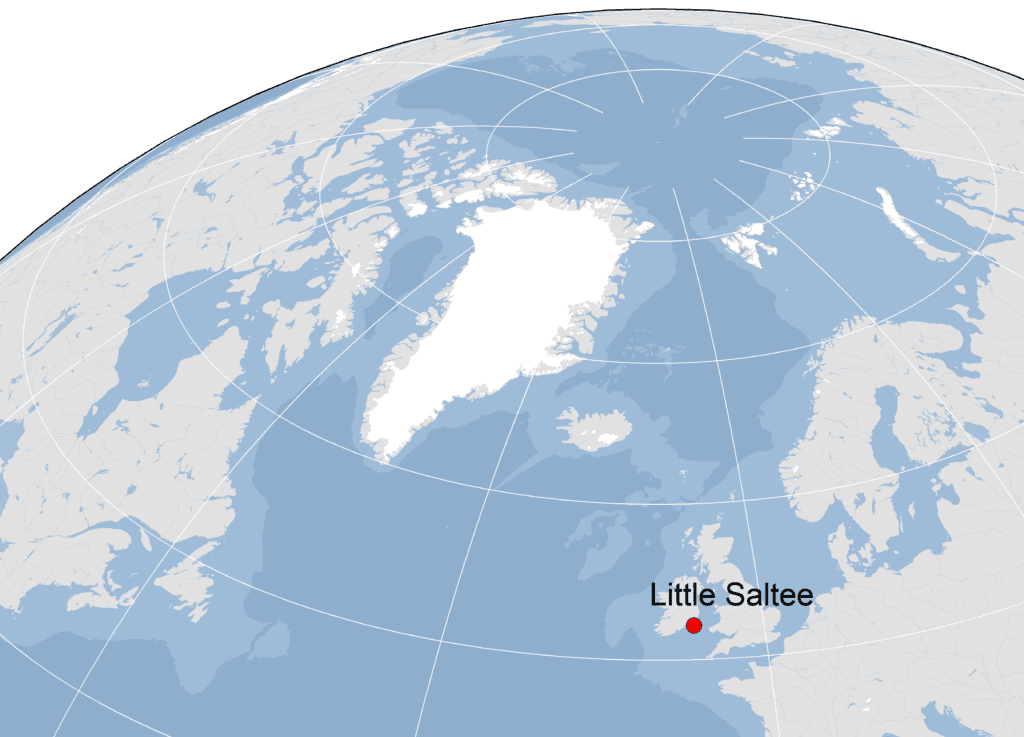
Little Saltee (52.136°N x 6.585°W) is a low-lying granitic island situated off the southeast of Ireland. Its cliffs are mostly accessible, and are home to northern fulmars (~100 pairs), Atlantic puffins (~300 pairs) and razorbills.
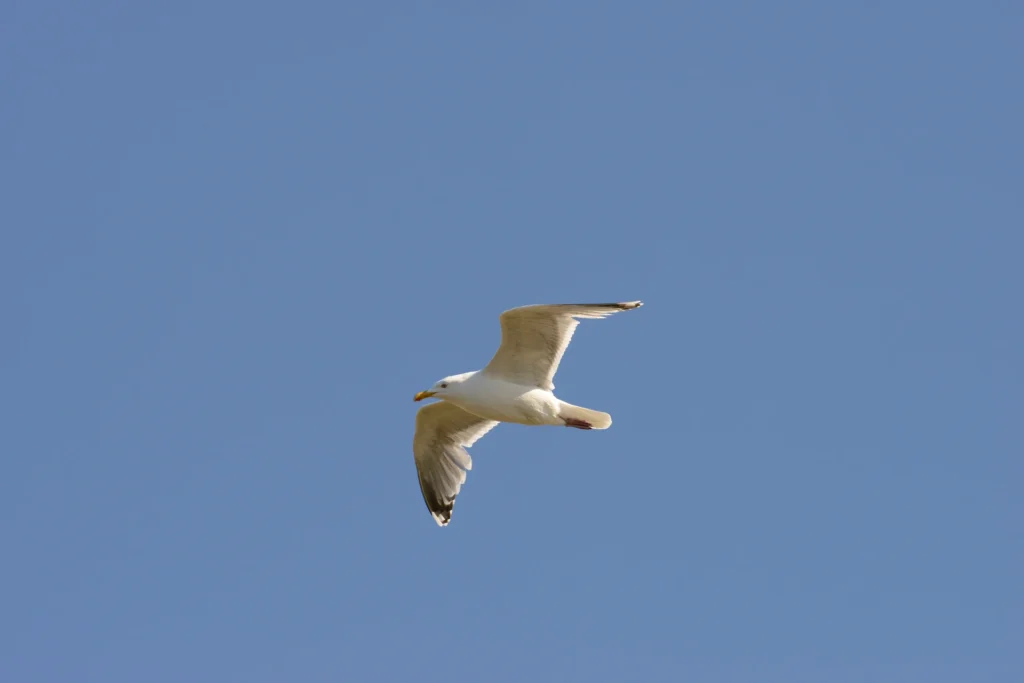
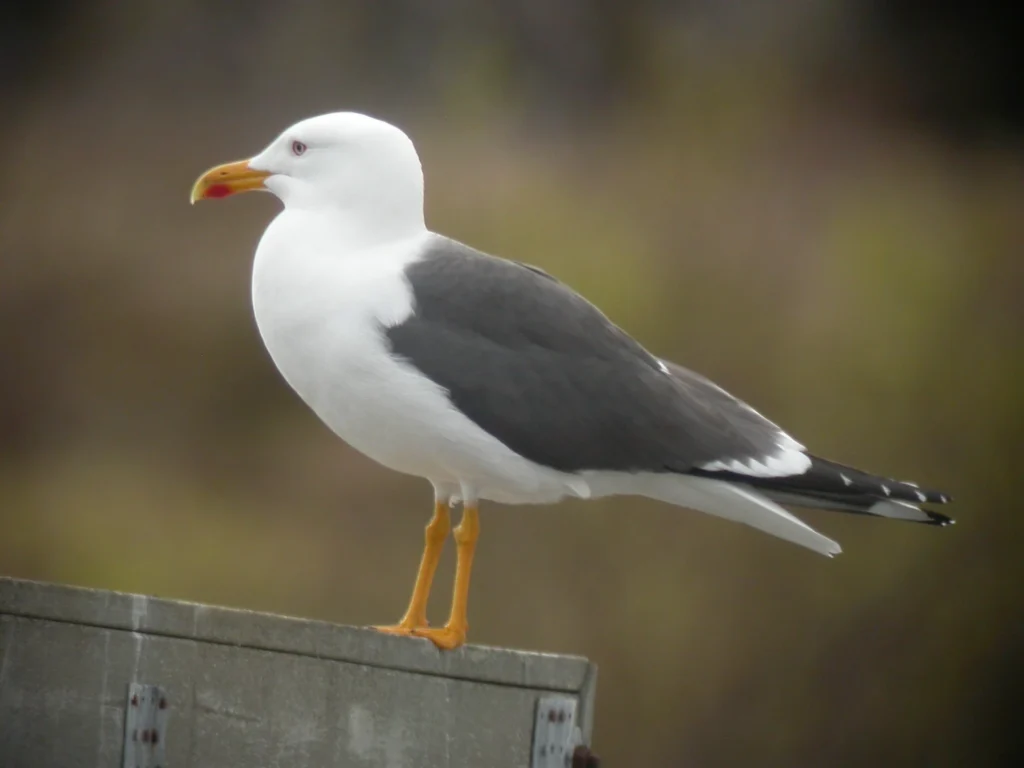
The rocky coastline hosts cormorants and herring gulls, while the pastures kept low by Soay sheep are home to lesser and great black-back gulls and burrowing Manx shearwaters.
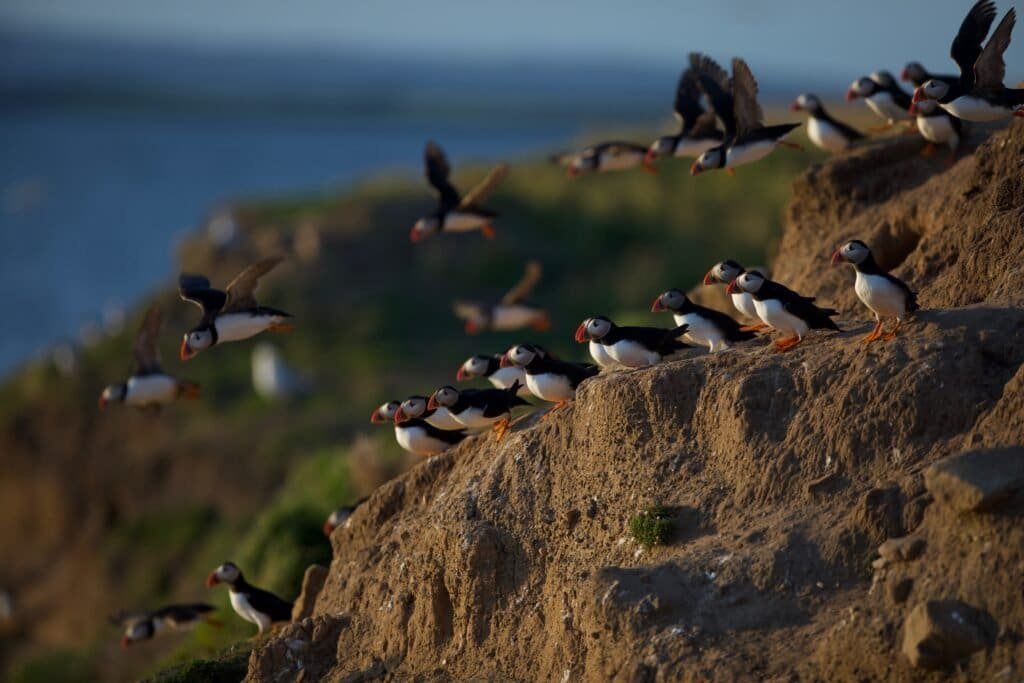
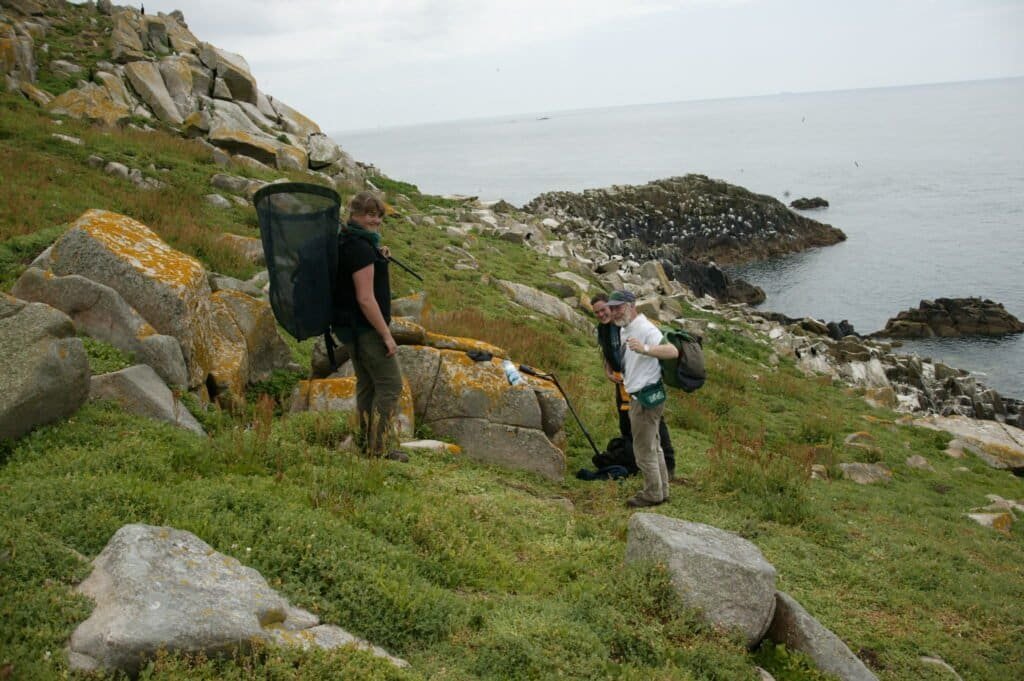
The Saltee Islands (Great and Little) are historically important in the context of Irish ornithology. Little Saltee’s fulmar population was established in the 1960s and has been the subject of study since its formation. The instigator of this long-term study, Professor David Cabot, is still heavily involved in seabird research carried out on the island. University College Cork has conducted GPS tracking studies on northerm fulmars and Atlantic puffins at this site in recent years. The island became a SEATRACK study site in 2019, with deployment of GLS on northern fulmar and Atlantic puffin. Later, herring gull and lesser black-backed gull were also equipped with GLS loggers.
Seatrack partner

Mark Jessopp
University College Cork
Data availability