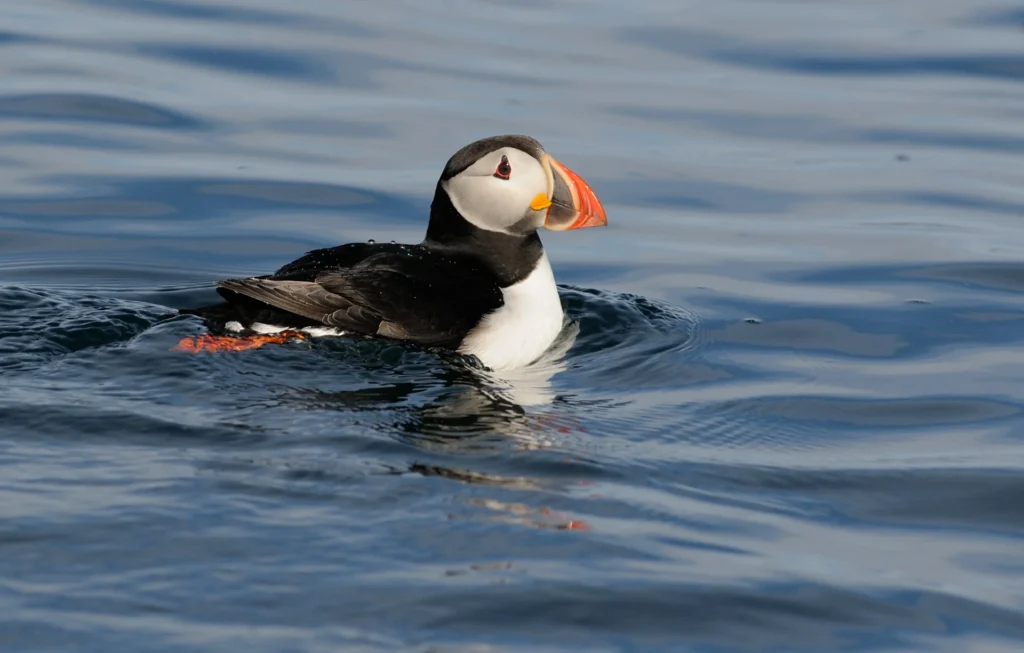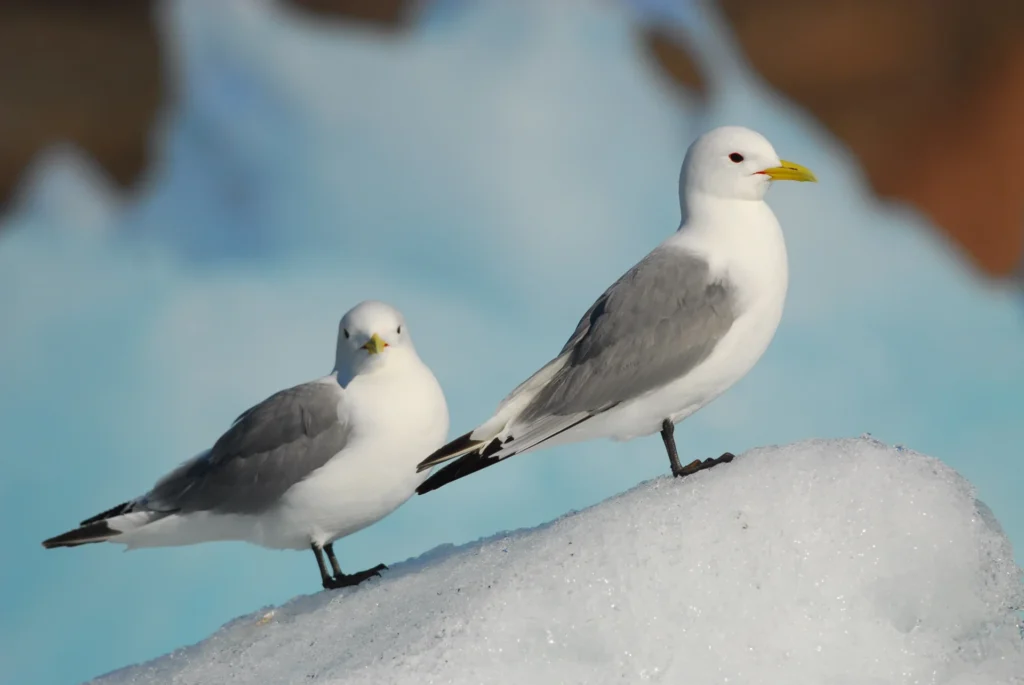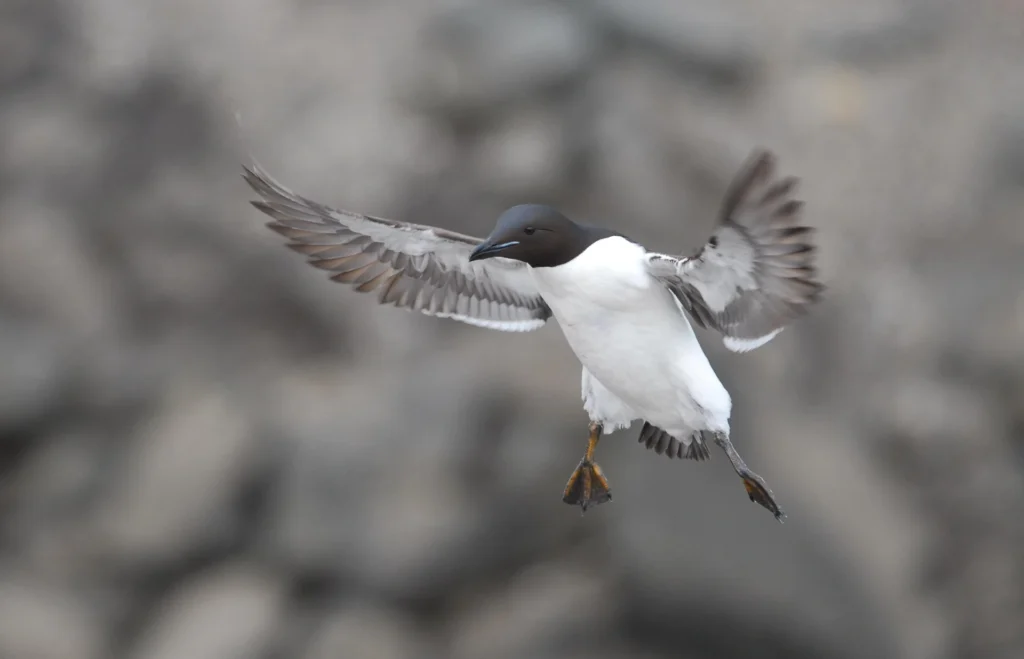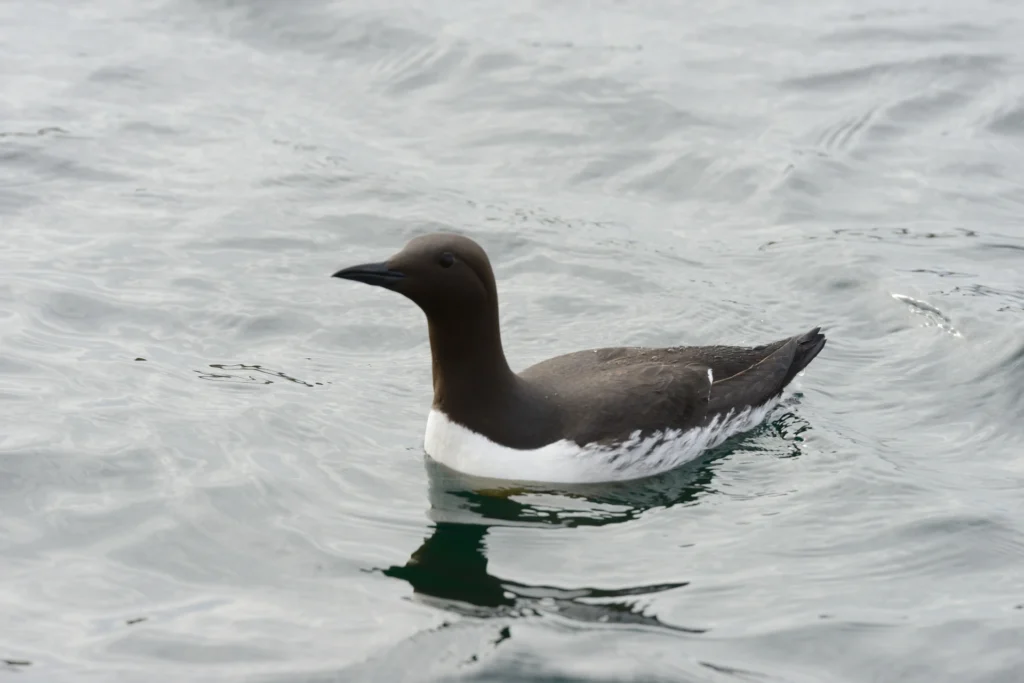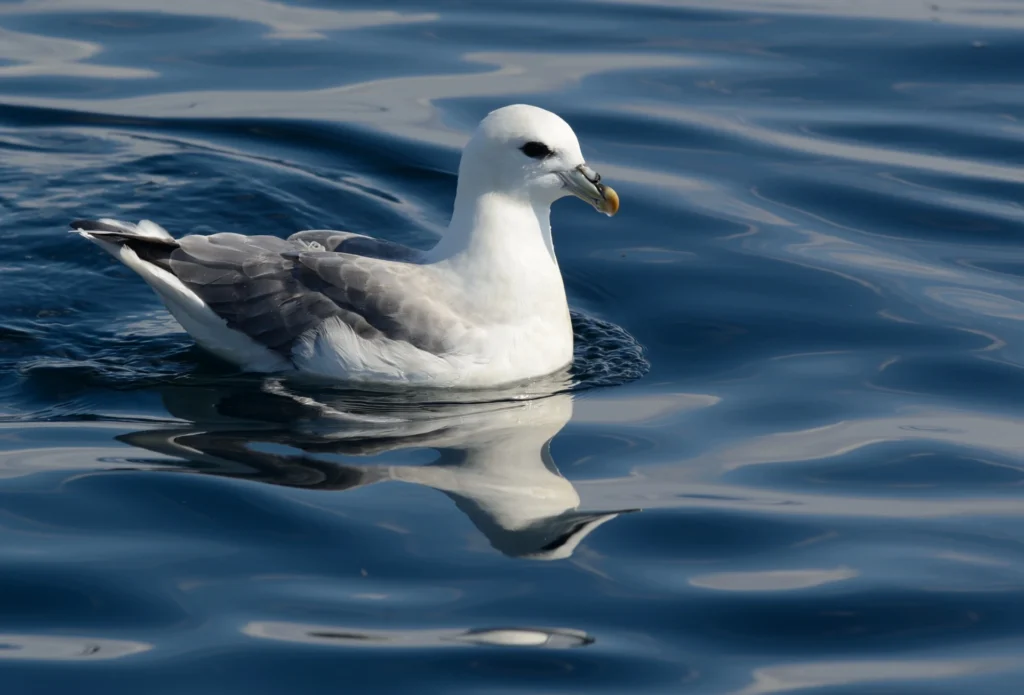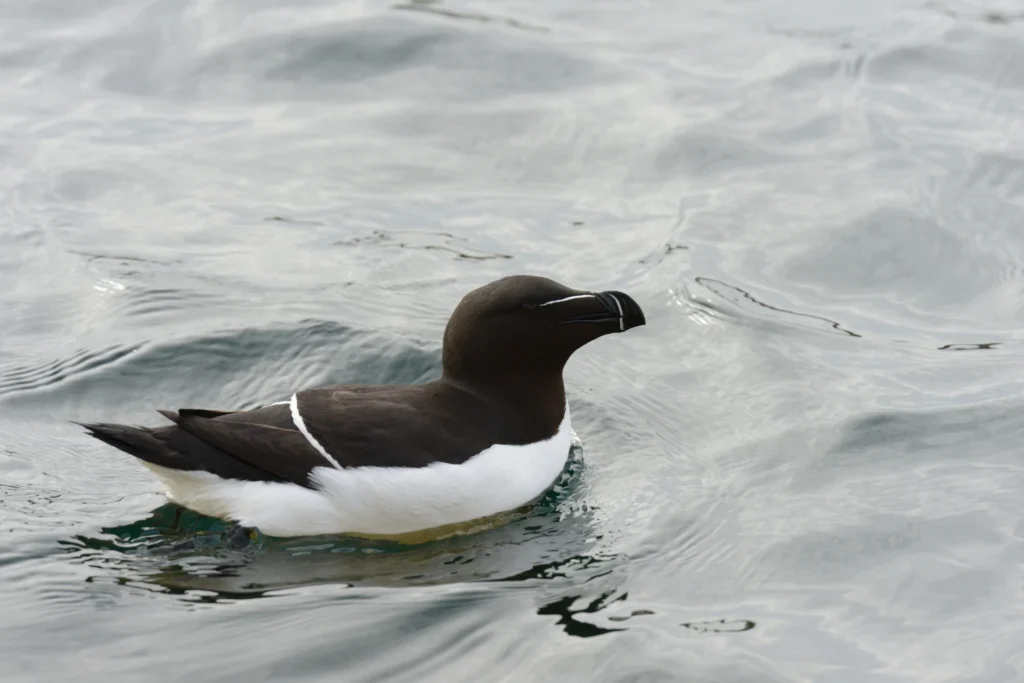

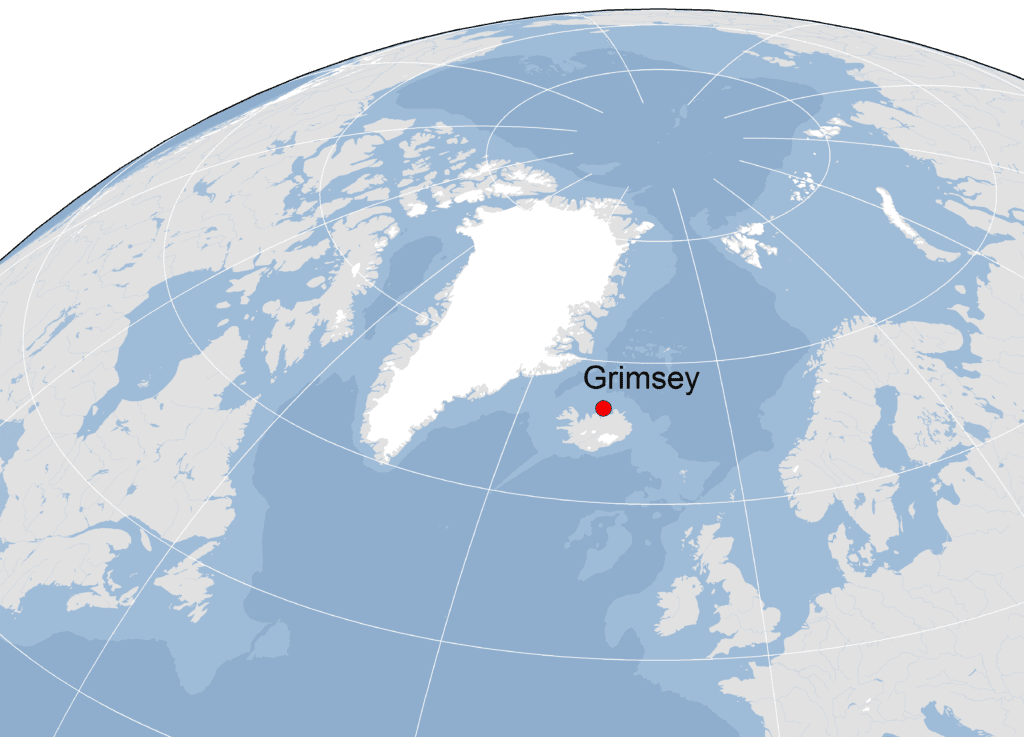
Grímsey Island (66.529°N x 17.992°W) lays 41 km north off Iceland’s north coast, and north of the Arctic Circle. Grimsey I. area is 5.3 km² and 5.5 km in length. Grímsey I. has remained inhabited by humans since the 12th century. GLS deployment started in 2013 on Atlantic puffin, razorbill, common murre, thick-billed murre and northern fulmars. Later, black-legged kittiwakes and common murres were also being equipped with GLS loggers.

Birdlife International identifies Grímsey I. as an important bird area. About 26 species of birds breed there including the Atlantic puffin (79,300 pairs, 2020 Hansen et al. unpublished), common guillemot (69,500 pairs), razorbill (122,000 pairs), black-legged kittiwake (33,000 pairs), northern fulmar (10,000 pairs), Brünnich‘s guillemots (4,000 pairs), and thousands of Arctic terns. The population estimates are from Garðarsson et al. (2013, 2019).

Grímsey is a part of the Icelandic Puffin Population Monitoring Programme since 2010 and the Cliff Breeding Seabirds Monitoring Programme, CLIFFSEA, since 2011.
Seatrack partner
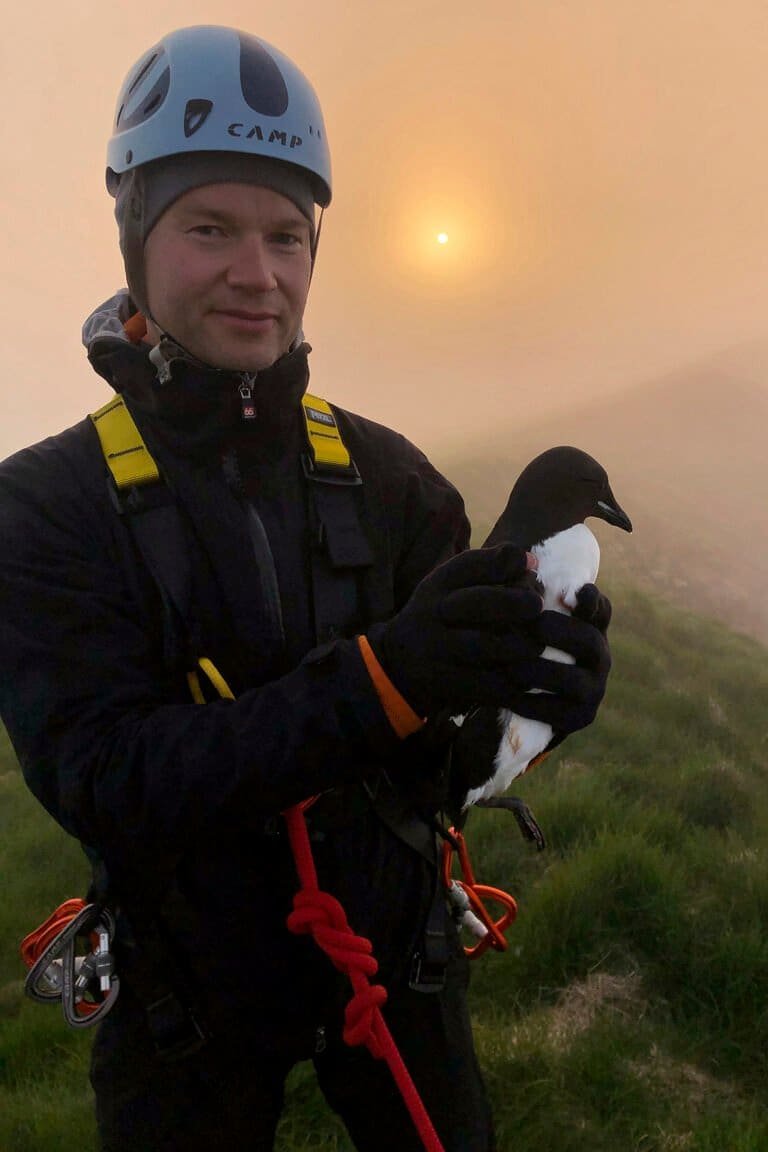
Þorkell Lindberg Þórarinsson
Northeast Iceland Nature Research Centre

Yann Kolbeinsson
Northeast Iceland Nature Research Centre

Erpur Snær Hansen
South Iceland Nature Centre
Data availability